mother · cooking · market
The mill on Mina Street
A kilo of cacao toasted on the comal, my mother dictating the measures from memory, and an afternoon smelling of chocolate at a mill in downtown Oaxaca.
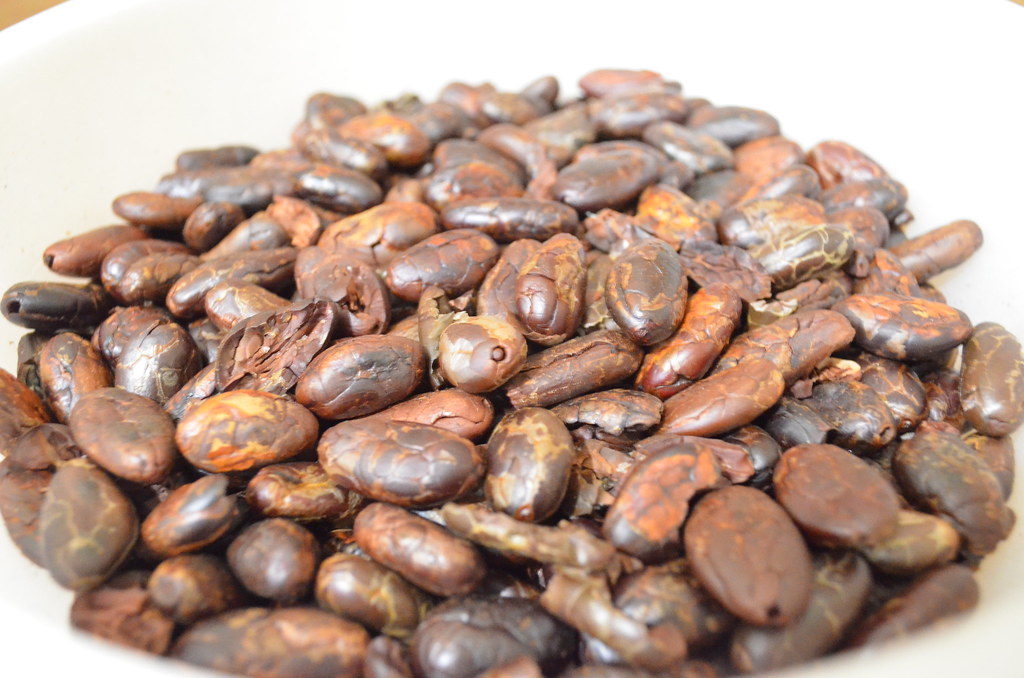
In my family, the chocolate for the Day of the Dead was always my mother's job. Not the kind you buy in paper-wrapped tablets, but hers: cacao from the Ejutla market, toasted on her comal, carried to the mill in a cotton sack and brought home as a warm paste she patted out on the table into little discs. Every year, around mid-October, the kitchen in Ejutla smelled of it for a week. I thought that was what autumn smelled like everywhere.
Since she came to live with me we haven't made it. Last year I bought chocolate at a shop downtown and she tasted it, set the cup down and said, "It's good." She said it with the politeness you use for the neighbors' cooking. This year, on Monday, with the first cold still stuck in the bricks, I decided we were going to make our own.
The comal
On Tuesday, on my way back from school, I stopped at La Merced market and bought a kilo of cacao from a woman from Tuxtepec. The beans were dull, the color of dry earth, and they rattled in the bag like a maraca. I put them in my mother's lap. She reached in, took a handful, held it to her nose and said, "This is good. But you have to toast it slowly, or it turns bitter."
We toasted it on the clay comal, the one I only use for tlayudas. Me stirring the beans with a wooden spoon; her sitting by the stove on a chair I dragged in from the dining room, listening. Because the right point for cacao, according to my mother, is not something you see: you hear it. When they start crackling softly, like popcorn that hasn't quite made up its mind, they're nearly done. When it smells like brownies, they've gone too far. She didn't say brownies, she said "like sweet burning," but I understood.
Then you have to shell them while they're hot. The husk slips off on its own if you squeeze the bean between your fingers, and once it cools there's no way. We sat on the porch with the cacao on a tray and a deep bowl for the husks. I burned my fingertips on the first five beans. She, with her eighty-year-old hands, shelled them faster than I did and without blowing on them, as if heat were none of her business.
The measures
On Thursday, in the taxi to the center, with the cotton sack on my lap as if we were carrying a baby, I asked her how much sugar goes in. She told me without thinking: for every kilo of cacao, a kilo of sugar, and cinnamon "so you can see it." Then, as we passed the Carmen church, she asked me where we were going. I said to the mill. She said, "Oh, good, because I already have the cacao toasted." And she squeezed the sack.
You can smell the mills on Mina Street two blocks away. It isn't the smell of shop chocolate; it's thicker, more like seeds, with something smoky in it. Inside there is a row of metal grinders painted green, their leather belts going round, and men in aprons who take your sack, weigh it and write your name on a slip of paper. Ours was Don Abel. I told him my mother's measures. He looked at her, not at me, and asked, "With almonds, señora?" My mother said no, almonds are for people from Mexico City. Don Abel laughed like a man who has heard that many times, and agreed with her.
First he grinds the cacao on its own, and out comes a dark, shiny paste that drops onto a tray like warm mud. Then he puts it back through with the sugar and cinnamon, twice, three times. Each pass it comes out lighter and smoother. My mother never took her eyes off it. On the third pass she said, "That's it," and Don Abel switched off the mill without arguing.
The tablets
We came home with the paste in a plastic bag, warm as a sleeping animal. I spread wax paper on the kitchen table and my mother washed her hands twice, which is what she does when something matters to her. She took a ball of paste, set it on the paper and flattened it with her palm, tapping the edge with the side of her hand until it was round and even. I made mine beside her. Hers came out like coins; mine like maps of some country with border disputes.
There were thirty-one. My mother counted them twice and then shared them out with her finger, without touching them: these for Rodrigo, these for Daniel, these for the altar, these for us. Rodrigo got more because "it's cold in Tijuana." I told her yes, very.
We left them to dry overnight on the table while I went to choir practice smelling of cinnamon. This morning, before leaving for school, I went down to look. They were hard by then, matte, with that pale bloom they get as they dry. On one of hers, the one in the middle, a whole thumbprint had set. That one I'm not sending to anybody.
Keep reading

The first cold morning
The first cold morning of October: a trunk that smells of mothballs, a sweater my mother swears she knitted, and the school's lost-and-found box.
The bougainvillea and the roof
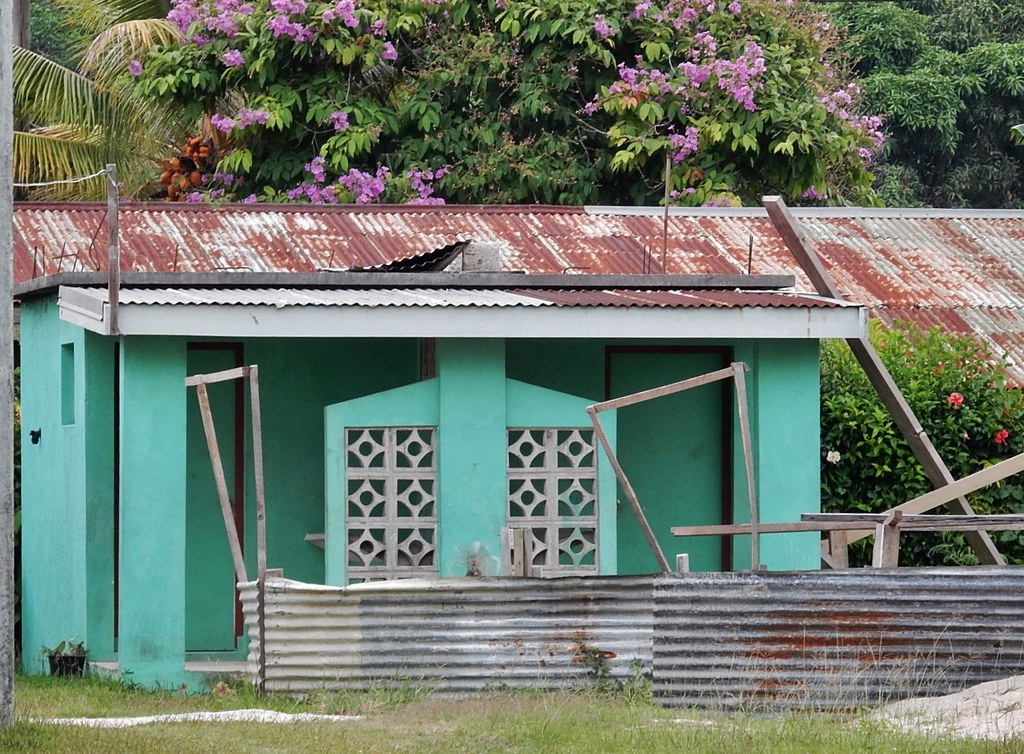
For months I had been saying I would prune the bougainvillea. This Saturday I climbed up with shears and gloves, and my mother, down on the porch, had other plans.
My mother and the rain
September afternoons on the porch: my mother shelling beans under the downpour and naming, without hesitation, every plant in the patio.